
Quick Answer
Dental sedation keeps you relaxed but responsive, while general anaesthesia renders you fully unconscious for complex or lengthy procedures. The right choice depends heavily on age, anxiety level, and the treatment involved. At Village Walk Family Dental in London, ON, the team matches the comfort method to each patient, from restless toddlers to seniors preserving their natural teeth.
Getting sedation vs anesthesia explained in London, ON clearly matters because the words sound interchangeable, yet they describe very different experiences. Sedation calms your nerves while you stay aware of your surroundings. General anaesthesia, by contrast, places you in a controlled sleep. Furthermore, the ideal option often shifts as you move through different stages of life. A nervous five-year-old, a busy adult, and a retiree facing implant surgery each have distinct needs.
Sedation vs Anesthesia: The Core Difference
Sedation reduces anxiety and discomfort while you remain conscious and able to respond. General anaesthesia, however, produces complete unconsciousness so you feel and remember nothing. Think of sedation as a dimmer switch and anaesthesia as fully off.
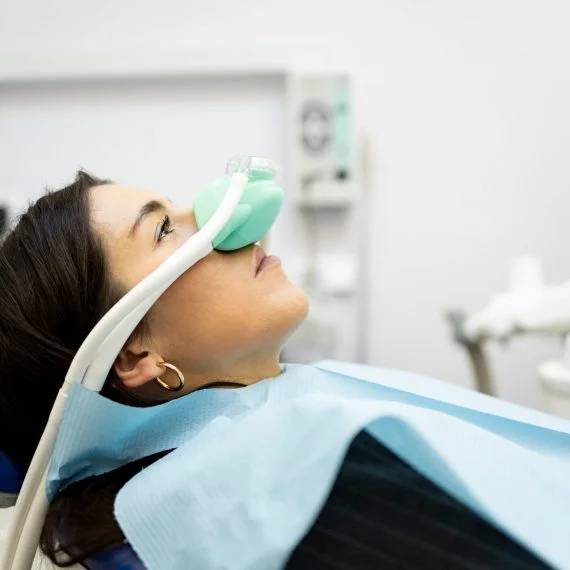
Specifically, our London practice offers several tiers of comfort. Nitrous oxide (laughing gas) provides the lightest relaxation and wears off within minutes. Oral sedation uses a prescribed tablet for a deeper calm. Additionally, IV sedation delivers medication directly into the bloodstream for precise, moderate relief. General anaesthesia sits at the far end of the spectrum and is reserved for specific cases. According to the Royal College of Dental Surgeons of Ontario, dentists must hold special authorization to provide these deeper levels safely.
Pediatric Milestones: Comfort for the Youngest Smiles
Children rarely need general anaesthesia, but it occasionally helps during extensive work or for a child who simply cannot cooperate. For routine fillings or a nervous first visit, nitrous oxide usually does the job beautifully. Consequently, young patients leave calm rather than frightened.
Early dental anxiety can shape lifelong habits. The Ontario Dental Association notes that stress and anxiety significantly affect oral health and willingness to seek care. Therefore, gentle comfort methods protect more than one appointment; they protect a child’s relationship with the dentist for decades. Our pediatric approach pairs the mildest effective option with a reassuring, unhurried pace.
Adult Maintenance: Matching the Method to the Moment
Most adults do very well with light sedation for everyday treatments. A tense cleaning, a deep filling, or wisdom teeth removal often calls for nitrous oxide or oral sedation rather than full anaesthesia. However, longer or more involved surgeries sometimes warrant IV sedation or general anaesthesia.
Emerging research continues to refine these choices. A 2022 review in Drug Design, Development and Therapy described remimazolam, an ultra-short-acting intravenous sedative now approved for both procedural sedation and general anaesthesia. Such advances help dentists tailor depth and recovery time precisely. Specifically, faster-clearing agents mean working adults return to their routines sooner.
How Do I Know Which One I Need?
Your dentist considers several factors together. These include the complexity of the procedure, your anxiety level, your medical history, and how long you will be in the chair. Additionally, your age and overall health guide the decision. The Canadian Dental Association emphasizes that pain management should always be individualized rather than one-size-fits-all.
Preserving a Senior’s Smile Longevity
Older adults often pursue restorative work that keeps natural teeth and function intact. Think root canals, dentures, or dental implants that support chewing and confidence. For many seniors, lighter sedation is both effective and gentler on the body than general anaesthesia.
This preference is grounded in evidence. A 2022 randomized trial published in JAMA found that regional anaesthesia may reduce postoperative delirium in older patients compared with general anaesthesia during hip fracture surgery. While that study addressed orthopedic care, it reflects a broader principle: lighter approaches can suit aging patients well. Consequently, our team weighs these considerations carefully when planning treatment for London’s senior patients.
Safety First at Village Walk Family Dental
Deeper sedation demands rigorous standards. The RCDSO runs a facility inspection program for sedation and general anaesthesia, ensuring equipment, monitoring, and training meet strict provincial rules. Our London practice aligns with these protocols and Canadian Dental Association best practices. Moreover, having orthodontics, oral surgery, and sedation available under one roof means your comfort plan stays coordinated throughout care.
Frequently Asked Questions
Is sedation the same as being put to sleep?
No. Sedation keeps you relaxed yet conscious and responsive, while general anaesthesia makes you fully unconscious. Most dental appointments only require light or moderate sedation.
Is dental sedation safe for children?
Yes, when administered by a qualified, authorized dentist. Nitrous oxide is a common, gentle choice for nervous young patients. We always select the mildest effective option for a child.
Which comfort option is best for seniors?
It depends on the procedure and overall health. Lighter sedation is frequently preferred for older adults because it is gentler and allows a quicker recovery. Your dentist will review your medical history first.
How do I decide between sedation and anaesthesia?
Talk with your dentist about the procedure, your anxiety, your health, and the expected chair time. Together you will choose the safest, most comfortable approach for your situation.
Book a Comfort Consultation in London, ON
Still unsure which option fits you or your family? Our London dental team will explain every choice and build a plan around your comfort. Explore our sedation dentistry options and reach out to schedule a visit. We are here six days a week to help every generation of your family feel at ease.
Sources & References
- Royal College of Dental Surgeons of Ontario, Sedation and Anesthesia
- RCDSO, Sedation and General Anesthesia Facility Inspection Program
- Canadian Dental Association, Pain Management
- Ontario Dental Association, Stress and Anxiety
- Effect of Regional vs General Anesthesia on Incidence of Postoperative Delirium in Older Patients Undergoing Hip Fracture Surgery (JAMA, 2022)
- Remimazolam: An Updated Review of a New Sedative and Anaesthetic (Drug Des Devel Ther, 2022)