
Quick Answer: You may need bone grafting before implants if your jawbone has thinned after tooth loss, gum disease or injury. Without enough bone, an implant can’t anchor securely. The graft rebuilds that foundation. Most patients have mild swelling for a few days, and the graft then heals over several months before the implant goes in.
Many patients hear the words “bone graft” during an implant consultation and feel a little caught off guard. That reaction makes sense. You came in to replace a tooth, and now there seems to be an extra step. At Village Walk Family Dental in London, ON, we often recommend bone grafting before implants because it gives the new tooth a stable, lasting base. This guide explains why a graft might be needed, how the procedure works and what recovery really feels like.
Why Would You Need Bone Grafting Before Implants?
The short answer is that an implant needs enough healthy bone around it to stay put. A dental implant is a small titanium post that fuses with your jawbone over time. According to the Canadian Dental Association, implants are anchored into the jawbone, so the quality of that bone matters a great deal.
However, bone doesn’t stay the same after a tooth is gone. The root of a natural tooth stimulates the bone every time you chew. Once the root is missing, the body slowly resorbs that area. Consequently, the ridge can become narrower or shorter within months of an extraction.
Common causes of jawbone loss
Several situations can leave the bone too thin for an implant:
- A tooth that was removed years ago and never replaced
- Advanced gum disease, which destroys the bone that supports teeth
- An infection or cyst near the root of a tooth
- Facial trauma, such as a sports injury
- Long-term denture wear, which can gradually flatten the ridge
In the upper back jaw, there is another factor. The maxillary sinus sits just above the molar roots. After those teeth are lost, the sinus can expand downward, leaving little room for an implant. In that case, a sinus lift is usually the answer.
Types of Bone Grafts Used for Dental Implants
Your dentist will choose a graft based on where the bone is missing and how much is needed. Specifically, the main procedures include:
Socket preservation
This graft goes into the socket right after a tooth extraction. It helps prevent the ridge from collapsing while you heal. Furthermore, it often makes later implant placement simpler.
Ridge augmentation
When the jaw has become too narrow or too short, the dentist adds graft material along the ridge. A common technique is guided bone regeneration, which uses a thin membrane to protect the graft while new bone grows. A review in Oral and Maxillofacial Surgery Clinics of North America describes guided bone regeneration as an effective way to rebuild atrophic ridges. It also notes that careful handling of the gum tissue and a stable membrane are crucial for success.
Sinus lift
For the upper molar area, the dentist gently raises the sinus membrane and places graft material beneath it. This creates enough height for an implant.
What the graft material is made of
Graft material can come from several sources. Some grafts use your own bone, while others use donor bone, animal-derived bone or synthetic materials. A 2026 review in the Journal of Periodontal Research compared these natural and synthetic options and concluded that the ideal choice remains debated. In other words, there is no single “best” material. Instead, your dentist will match the material to your specific case.
What to Expect During the Procedure
Most bone grafts are done in the office, and they are usually more comfortable than patients expect. Here is how a typical appointment unfolds at our London clinic.
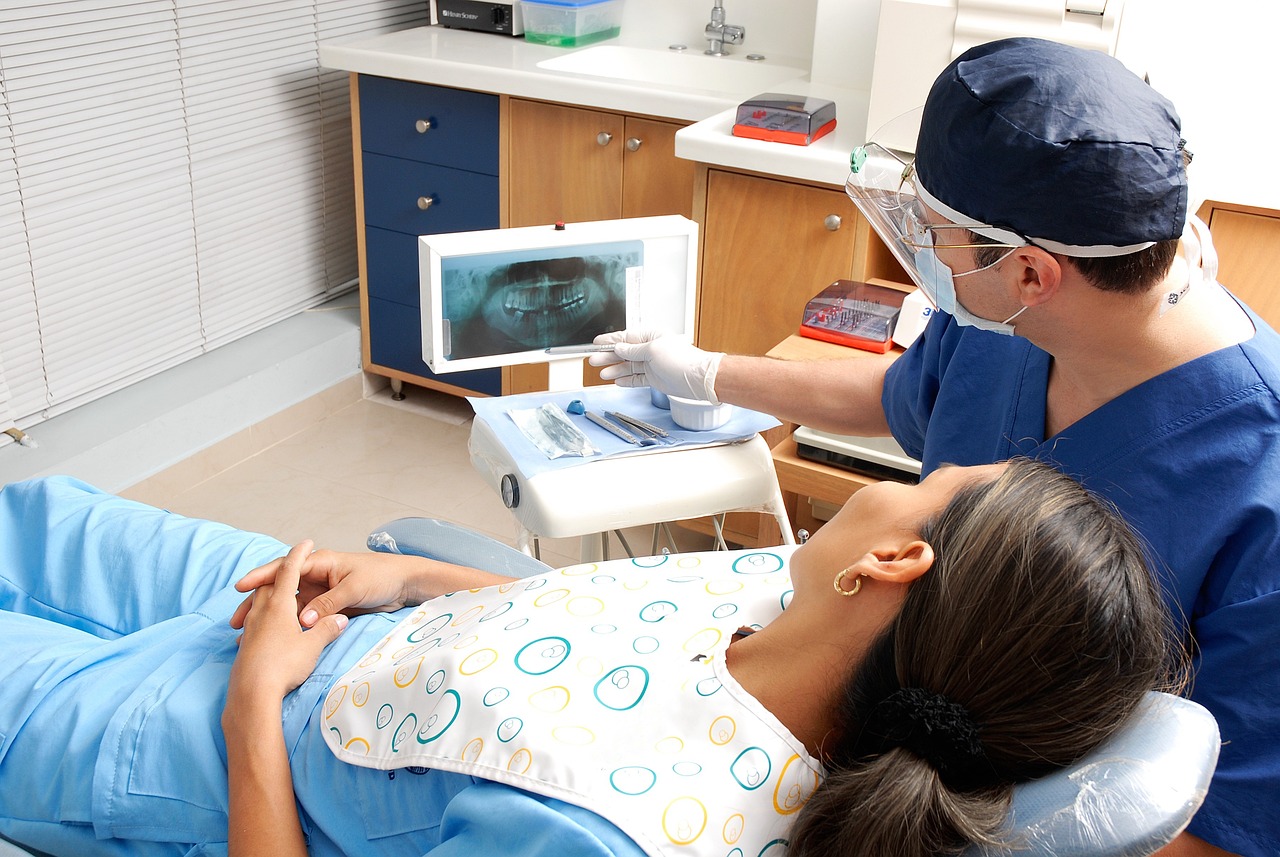
First, we take X-rays and digital images to measure the bone precisely. This planning step shows exactly where the graft should go. Next, the dentist numbs the area with local anaesthetic. Then they make a small opening in the gum, place the graft material and often cover it with a protective membrane. Finally, stitches close the site.
Some patients feel anxious about oral surgery, and that’s completely normal. For this reason, Village Walk Family Dental offers several comfort options, including nitrous oxide, oral sedation, IV sedation and general anaesthesia. We can talk through which option suits you during your consultation.
In some cases, the dentist can place the graft and the implant at the same visit. That depends on how much bone is already there. If the defect is larger, the graft needs to heal on its own first.
Recovery After Bone Grafting for Implants in London, ON
Recovery usually involves a few days of mild discomfort, followed by a quiet healing period of several months. The first week is the most noticeable part.
The first few days
Swelling and tenderness typically peak around day two or three. Cold compresses help, and over-the-counter pain relief is often enough. Additionally, you will want to stick with soft foods and avoid chewing on the graft site.
The first two weeks
Gentle rinsing keeps the area clean. Meanwhile, avoid smoking, using straws or brushing hard near the stitches. These habits can disturb the graft. We usually see you for a follow-up visit to check healing and remove stitches if needed.
The months that follow
Underneath the gums, your body slowly turns the graft into living bone. This process often takes three to six months, although larger grafts may need longer. During this time, you can eat and live normally. Once the new bone is solid, we place the implant.
Are there risks?
Like any surgery, grafting carries some risk. Possible complications include infection, graft exposure through the gums or, with sinus lifts, irritation of the sinus. Fortunately, careful planning and good aftercare greatly reduce these risks. Let us know promptly if you notice increasing pain, fever or a bad taste after the first few days.
Are There Alternatives to a Bone Graft?
Sometimes, yes. If you have borderline bone, a shorter or narrower implant may work without grafting. Alternatively, a traditional bridge or a denture can replace missing teeth without needing extra bone.
That said, these options have trade-offs. A bridge requires reshaping the neighbouring teeth. A conventional denture doesn’t stop bone loss and may loosen over time. Implant-supported dentures and All-on-X implants are other choices for patients missing many teeth, although they still need enough bone. Our dental implant team will help you compare each path honestly.
Why Choose Village Walk Family Dental for Bone Grafting Before Implants?
Having your graft and implant handled under one roof keeps your care simpler. Our London, ON practice offers oral surgery, periodontics and prosthodontic care in the same office. As a result, you won’t need to move between clinics for each stage.
We also hold a 4.9 out of 5 Google rating from more than 800 patient reviews. Moreover, we are open six days a week, including Saturdays, so fitting in consultations and follow-ups is easier. You can learn more about our approach on our bone grafting services page.
Frequently Asked Questions
Does a bone graft hurt?
The procedure itself shouldn’t hurt, because the area is fully numbed. Afterward, most patients describe soreness and swelling for a few days that over-the-counter pain relief usually manages well.
How long after a bone graft can I get an implant?
Most grafts need three to six months to heal before implant placement. Small grafts can sometimes be placed at the same time as the implant.
Can I avoid bone grafting if I get an implant soon after an extraction?
Replacing a tooth promptly helps limit bone loss. In fact, a socket preservation graft at the time of extraction is one of the simplest ways to protect the ridge for a future implant.
Is bone grafting safe?
Bone grafting is a well-established procedure in implant dentistry. As with any surgery, complications can occur, but careful planning and good aftercare keep them uncommon.
Book Your Implant Consultation in London, ON
If you’ve been told you may need a bone graft, or you simply want to know whether your jaw is ready for an implant, we’re happy to help. Contact Village Walk Family Dental to book a consultation. We’ll assess your bone, explain your options clearly and build a plan that fits your comfort and your schedule.